
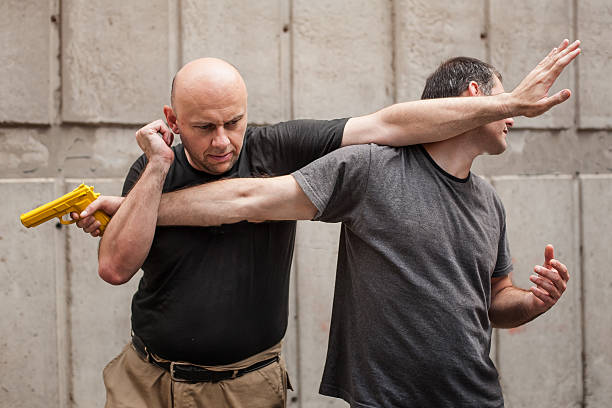
Feeling safe has become a growing concern for people of every age and background. With rising awareness around personal safety, more individuals are asking themselves a simple but important question: should I be learning how to protect myself? The answer, for most people, is yes. Enrolling in self defense classes is one of the most practical decisions you can make this year, and the reasons go far beyond simply learning how to throw a punch.
Personal Safety Is No Longer Optional
We live in a world where situations can turn unpredictable in seconds. Whether you are walking to your car late at night, traveling alone, or simply want peace of mind while going about your daily routine, having real skills to protect yourself matters. Self defense training teaches you how to read situations, avoid danger before it happens, and respond effectively if a physical confrontation becomes unavoidable. It is not about becoming aggressive. It is about becoming aware and prepared.
Building Confidence From the Inside Out
One of the most overlooked benefits of self defense training is the boost in confidence it provides. When you know you have the tools to protect yourself, you carry yourself differently. You walk taller, speak more assertively, and feel less anxious in unfamiliar situations. This shift in mindset often extends into other areas of life, including work, relationships, and personal goals. Confidence built through physical training tends to be lasting because it is earned through repetition and real accomplishment, not just words of encouragement.
Physical Fitness Without the Boredom of a Gym Routine
Traditional workouts can feel repetitive, and many people struggle to stay motivated on a treadmill or with a standard weightlifting routine. Self defense classes solve this problem by combining cardio, strength training, coordination, and flexibility into a single dynamic session. You are moving constantly, learning new techniques, and engaging both your mind and body at the same time. Students often report that classes fly by because they are too focused on learning to notice the workout happening around them.
Practical Skills That Actually Work
Not all self defense programs are created equal. Some focus purely on theory or outdated techniques that fall apart in real situations. Effective self defense classes emphasize simple, repeatable movements that work regardless of your size, strength, or experience level. You learn how to escape grabs, protect yourself on the ground, use leverage instead of brute force, and react quickly under pressure. These are not flashy movie moves. They are grounded, functional techniques designed for real world scenarios.
A Sense of Community and Support
Walking into a new class alone can feel intimidating at first, but most students quickly find a welcoming and supportive environment. Training alongside others who share similar goals creates accountability and motivation. Instructors and classmates often become a source of encouragement, pushing you to improve while celebrating your progress along the way. This community aspect is one of the biggest reasons people stick with their training long term instead of giving up after a few sessions.
Who Should Consider Self Defense Training?
The short answer is everyone. Students heading off to college often want the skills and awareness to stay safe on campus. Working professionals look for stress relief and practical protection skills that fit into a busy schedule. Parents want to feel capable of protecting their families. Older adults appreciate the improved balance, coordination, and confidence that training provides. There is no wrong age or fitness level to begin. Most programs are structured to accommodate complete beginners while still challenging more experienced students.
What to Expect in Your First Class
If you have never trained before, your first session will likely start with the fundamentals: proper stance, awareness, basic strikes, and simple escape techniques. Instructors typically break down each movement step by step, allowing you to build muscle memory gradually. You will practice with a partner in a controlled and safe environment, so there is no need to worry about getting hurt. Most people leave their first class surprised at how much they learned in such a short amount of time.
Choosing the Right Program
When looking for a class, consider factors like instructor experience, class size, and the overall training philosophy. A good program balances technical skill development with realistic scenario training, so you are prepared for situations that could actually happen rather than choreographed demonstrations. Trial classes are a great way to get a feel for the environment before committing.
Final Thoughts
Learning to protect yourself is an investment that pays off in confidence, fitness, and peace of mind. It is a skill set you carry with you for life, one that becomes second nature with consistent practice. If personal safety has been on your mind, there has never been a better time to start. Taking the step to walk into a class is often the hardest part, and once you do, the benefits tend to speak for themselves.