
Repair Starts With Knowing the Vehicle
Every repair job begins with one simple question: What exactly am I working on? Cars may look the same on the outside, but under the hood, small differences change everything. Engine types, trim levels, and production years decide which parts fit and which steps work.
For those who fix their own vehicles, this knowledge builds confidence. For those who fix for others, it protects time and reputation. Reliable information removes doubt and replaces guessing with facts.
Good repairs are not about speed. They are about accuracy.
Why a VIN Decoder Matters in Modern Repairs
A VIN decoder converts a vehicle identification number into useful data. It reveals the car’s build details, engine configuration, drivetrain, and factory-installed options. This data helps you work smarter from the start.
Without decoding the VIN, you rely on assumptions. With it, you work with certainty. You know which version of a part fits and which service steps apply.
This matters more today because vehicles change often. A single model year may include multiple engine options and system updates.
Example
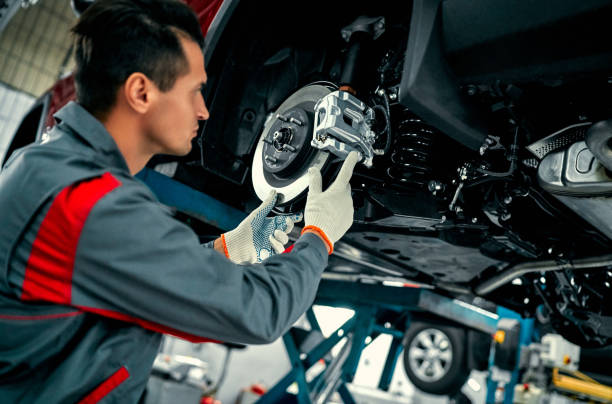
Two cars share the same model name and year. One uses an electronic parking brake, the other uses a manual system. A VIN check shows the difference before you remove a wheel.
Using VIN Decoder Data for Parts and Diagrams
VIN Decoder and Exploded Parts Views
Parts catalogs become more useful when filtered by VIN data. Instead of scrolling through long lists, you see only what fits your vehicle. Exploded diagrams then show how parts connect and in what order they come apart.
This improves repair quality by:
- Showing hidden fasteners and seals.
- Helping plan the job before starting.
- Reducing reassembly errors.
- One clear diagram can save an hour of rework.
AI Repair Guidance That Fits the Vehicle
Modern repair tools include AI-based advice. These systems suggest steps, common failures, and replacement checks. When powered by VIN data, the guidance matches the exact vehicle setup.
This does not replace experience. It supports it. A skilled mechanic still decides what to do. The system simply brings relevant knowledge to the bench.
Good tools respect skill and reduce mental load.
Pro Tip
Use AI advice as a checklist, not a command. Compare suggestions with the vehicle’s condition and your experience before acting.
Built for DIY Mechanics and Working Shops
Access to accurate data benefits everyone.
DIY mechanics gain:
- Confidence to start repairs.
- Fewer wrong parts.
- Better understanding of systems.
Professional technicians gain:
- Faster diagnostics.
- Consistent repair steps.
- Easier training for new staff.
With support for more than 60 brands, these tools adapt to different jobs without changing workflows.
Repair Knowledge Without Barriers
For years, detailed repair data stayed behind paywalls and dealer systems. That limited who could repair vehicles properly. Today, access is broader, and that improves outcomes for drivers and shops alike.
Safe vehicles depend on informed repairs.
When mechanics and owners share access to the same accurate data, trust grows. Mistakes drop. Repairs last longer.
Conclusion: Start With Identity, Finish With Confidence
Every vehicle tells its story through its VIN. Decoding that story gives you control over the repair process. When VIN data connects to parts catalogs, exploded diagrams, and guided advice, repairs become predictable instead of stressful.
Whether you work in a home garage or a busy workshop, clarity matters. The right information at the right time leads to better decisions.
Know the vehicle first.
Turn the wrench second.